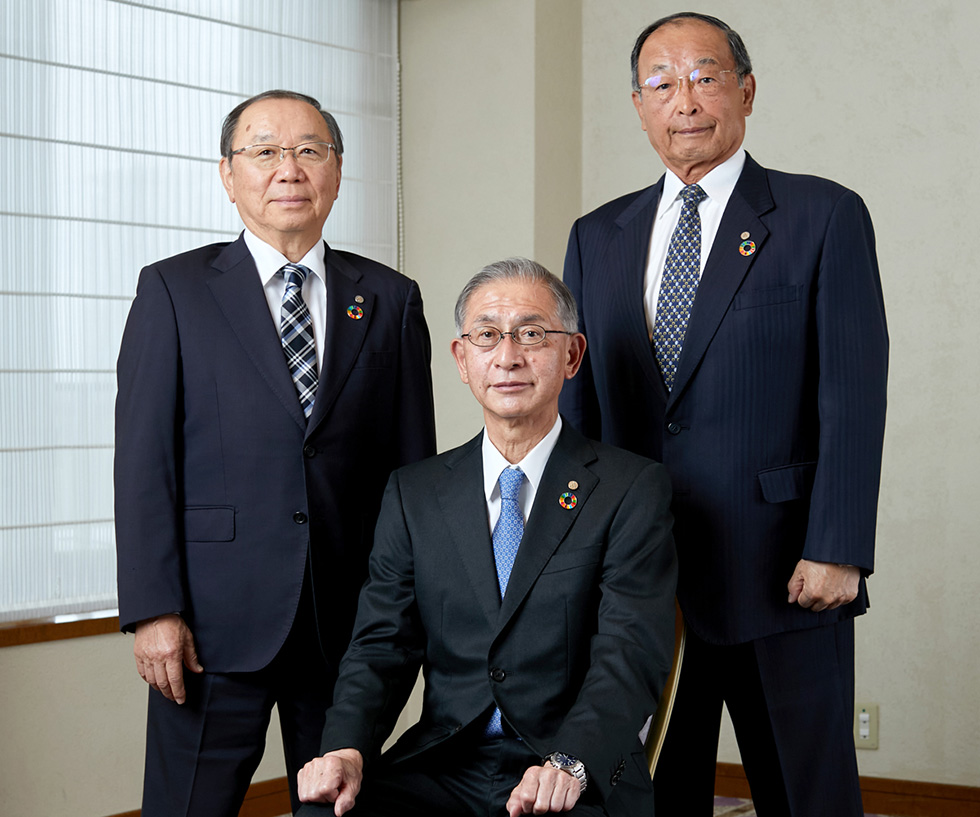
(left) Director and member of the Audit and Supervisory Committee
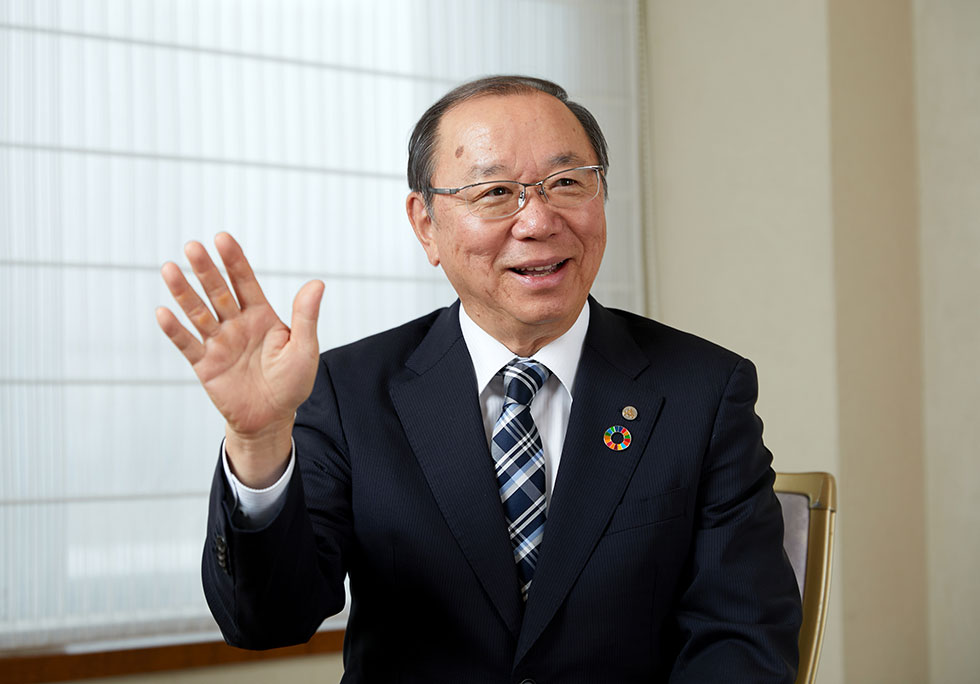
TERAMURA Yasuhiko
Had worked in areas including corporate transactions, overseas branches, and fund management during his 29 years in banking, cultivating practical knowledge in financial accounting, particularly in the fields of funds and securities. Was later transferred to an international logistics company, where he worked in general management for 13 and a half years. Was responsible for management as Senior Managing Director, oversaw overseas subsidiaries in six Southeast Asian countries and handled M&A, and served in representative posts at multiple subsidiaries. Engaged in the entire M&A process, from drafting and agreement conclusion to post-acquisition PMI, in addition to negotiations in the automobile and machinery industries, deepening his understanding of management practices that included subsidiary management and risk management. Was made a member of the Audit and Supervisory Committee of the Company in 2021. Currently leveraging his expertise in general management, group management, M&A, and risk management in overseeing discussions and decision-making by the Board of Directors as well as focusing on developing the next generation of management talent and improving remuneration systems as Chair of the Nomination and Remuneration Committee.
(center) Independent Director and standing member of the Audit and Supervisory Committee
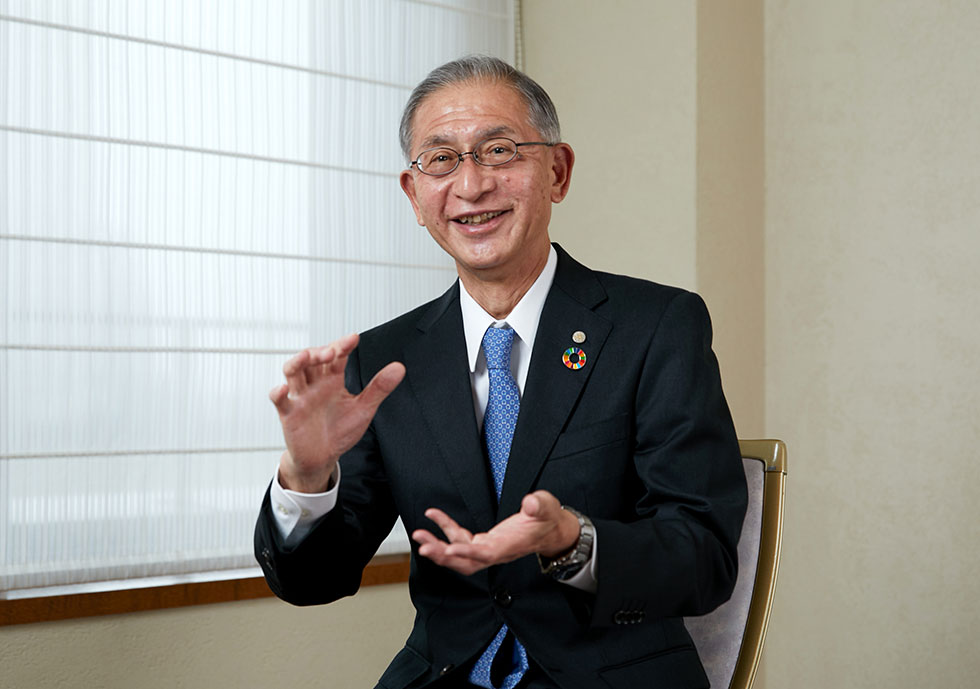
NOMURA Ryuichiro
Has worked extensively in corporate transactions, a New York branch, in foreign exchange, loans, and other operations in banking for 30 years, cultivating practical knowledge in financial accounting and corporate finance. Was especially involved in loans for a long time, responsible for investor relations and matters related to stocks and shareholder meetings, and was also involved in practical affairs based on shareholder perspectives as head of the transfer agent department. Was subsequently involved in management at a real estate company for eight years and also served as the representative of a REIT company under a general trading company, deepening his experience in practical management. Was made a member of the Audit and Supervisory Committee of the Company in 2022, serving as a standing member since 2023. Currently leveraging his expertise in financial accounting cultivated through his involvement in loans and his understanding of practical affairs related to investor relations and stocks gained through his involvement in transfer agent affairs in discussions and judgments as a member of the Audit and Supervisory Committee.
(right) Director and member of the Audit and Supervisory Committee
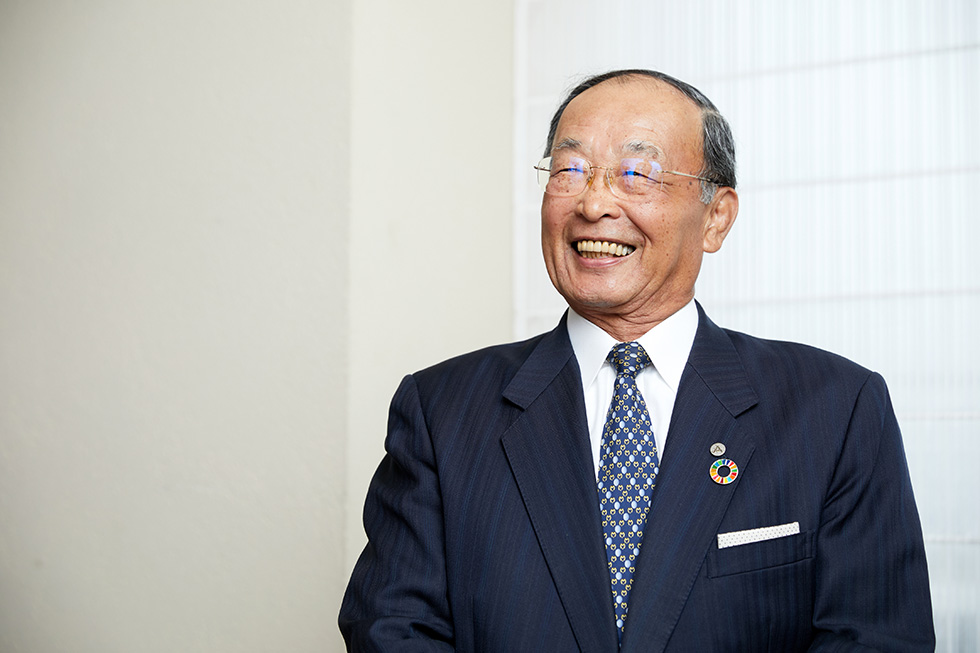
MORII Shinichiro
Spent 45 years at a housing equipment and fixtures manufacturer, overseeing an entire region as a branch manager. Was involved in coordinating with the production and development departments and formulating medium-term area strategies in addition to general marketing and sales, and was also responsible for developing new clients and providing sales advice. Cultivated knowledge of areas such as human capital enhancement, talent development, turnover rate reduction, and engagement improvement while targeting markets and customers from a manufacturer’s perspective and also being involved in organizational management for a long time. Has served as a member of the Audit and Supervisory Committee of the Company since 2021. Currently focusing on offering recommendations leveraging manufacturer perspectives as well as addressing key issues such as talent development and retention and engagement improvement.
Nomura: |
With the introduction of the Executive Officer system in May 2025, our Board of Directors made the transition to a structure that allows it to focus on deciding and overseeing management strategy. As a result, management decisions are made with greater speed, and the discussions that take place regarding business risks are now more focused. |
Teramura: |
Reducing the size of the Board of Directors has led to more substantive, lively discussions compared to before. In FY2026, two subsidiaries were added through M&A, and concrete discussions based on actual conditions have been held regarding the post-merger integration (PMI) process as well. The management of Group companies is extremely important, and it is my belief that frank discussions at Board of Directors meetings contribute greatly to enhancing our supervisory functions. |
Morii: |
With regard to the evaluation results, including diversity within the Board of Directors, efforts are being made to enhance disclosure and discussions, and the content of the regular exchanges of opinions that take place between Outside Directors, the Nomination and Remuneration Committee, and the President is now incorporated in Board of Directors meetings. These initiatives have also led to the introduction of the Executive Officer system and have contributed to the strengthening of corporate governance and the enhancement of our supervisory functions. |
Nomura: |
The most important issue is building sustainable organizational and personnel structures. The multilayered placement of talent through recruitment and development activities with a view to five years down the road is a key theme in our Medium-Term Business Plan as well. In order to achieve that, we have been discussing and making repeated recommendations regarding personnel and labor affairs, organizational challenges, the nature of recruitment activities, the prevention of employee turnover, and so forth. |
Teramura: |
Our succession plan for the President and CEO and the diversification of Board members are critical issues for sustainable growth. As part of our response to those issues, we introduced the Executive Officer system last year and have been working to develop management talent. Furthermore, it is also necessary to strengthen the talent pool for those ranking below department heads, such as leader- and chief-level employees, to build an organization that is both sustainable and robust. While discussions of matters such as the design of the personnel and salary systems are taking place at Board of Directors meetings as well, challenges remain in recruitment activities and talent retention. We therefore strive to voice our opinions and raise issues without overlooking matters that may seem trivial on the surface. |
Morii: |
I believe that organizing a group of high-achieving engineers is a key challenge of ours. To make that happen, we are putting a wide range of topics on the table, such as methods for recruiting new graduates and career hires, the status of skill development training, and the controlling of engineer turnover, and engaging in discussions with greater depth from an objective point of view. |
Nomura: |
Our Medium-Term Business Plan is a key initiative that contributes to the building of a foundation for sustainable and next-generation growth. However, at this juncture, that foundation cannot be said to be sufficient. We must continue reinforcing it. One point worthy of recognition in the first fiscal year of the Medium-Term Business Plan is the improvement in communication among the individual departments. I expect such improvements to lead to an increase in employee motivation, a revitalized organization, and a reduction in engineer turnover. |
Teramura: |
As the environment surrounding engineers changes rapidly, we are implementing Basic Measures centered on strengthening our ability to supply engineers who are capable of meeting our clients’ needs. One of those measures is our effort to raise the proportion of staff assigned to high-end fields. We are endeavoring to raise the level of our technical prowess by redesigning our recruitment and educational activities for each segment. Additionally, reinforcing our contracting business also serves to internally support the active participation of engineers who find it difficult to work in a dispatch capacity due to their employment conditions. My view is that a steady buildup of these measures will consistently contribute to the enhancement of our enterprise value. |
Morii: |
I expect that M&A and business alliances with other companies in the same industry will translate into future performance growth. At the same time, we need to further accelerate our efforts to secure talent in order to address the steadily expanding market. We will continue to closely monitor progress toward achieving the numerical sustainability targets set forth in our Medium-Term Business Plan. |
Nomura: |
Since the introduction of the Executive Officer system, I feel there are many aspects that can be commended with respect to the initiatives individual departments took regarding their operations and performance. At the same time, it is essential that each and every Executive Officer keeps reevaluating their efforts and striving to make improvements, asking themselves questions like “Are we consistently taking action with the Basic Policy and Basic Measures under the Medium-Term Business Plan in mind?” “Are efforts being made to revitalize our organization and ensure efficient operations?” and “Are we focusing enough on the guidance and development of our team members?” |
Teramura: |
Our Executive Officers are taking on even greater responsibility than before in their efforts to achieve the targets of their individual departments, and interdepartmental discussions have become more active and concrete. Previously, I was sometimes concerned about the aspects of departmentalism that were present. However, since the system was introduced, enthusiasm for company-wide initiatives has grown, and lively discussions are now taking place during interdepartmental meetings. I find this to be a very positive change. |
Morii: |
At meetings of the newly established Management Committee, all Directors and Executive Officers hold discussions on a quarterly basis to review policies and directions and share information through the exchange of opinions on corporate risks and other matters. Additionally, interdepartmental meetings are held regularly among Executive Officers as well, allowing for swift discussions to identify and resolve issues. |
Nomura: |
It is extremely critical that we actively appoint talent who will uphold the next generation. I believe that having Executive Officers serve as the heads of individual departments is resulting in further promotions of mid-career employees to leadership positions and the appointment of young employees, and is proving effective in developing management talent. The current challenge we face is that, because the management ranks in staff departments are stretched thin, reassigning employees across departments is not an easy task. In my opinion, reducing the silo mentality among departments and letting employees gain experience in multiple departments while they are still young will lead to the development of future management talent. |
Teramura: |
Each Executive Officer is leveraging their wealth of experience in their respective departments to turn cross-departmental recommendations, which had previously been impossible to implement, into concrete measures. This is an example of an area in which we are seeing strong momentum. Given that they are being asked to take responsibility for the operations of their own department under demanding targets, display accountability in meetings, and bear responsibility for the final results, it is not an exaggeration to say that Executive Officers are experiencing the very battlefield of management. I would say the effects of the management talent development we initially anticipated are steadily becoming apparent. On the other hand, there is still room for improvement in terms of how to strengthen the pool of executive-level talent who will form the next generation of management. This will be our next key focus. |
Morii: |
Along with the introduction of the Executive Officer system, it is urgent that we review evaluation criteria and develop and expand a tiered talent structure. At present, we are reviewing our evaluation criteria for engineers, and we believe these efforts will also tie into talent development. It is also necessary for us to implement regular cross-departmental rotations within our administration. The bold selection and promotion of young talent is another challenge we cannot avoid in working toward revitalizing the organization as a whole. |
Nomura: |
Developments in AI technology are accelerating at an ever-increasing pace. As part of our segment strategy, we intend to actively respond to growing AI development needs by boosting the proportion of high-end personnel in our dispatching business. Currently, individual departments are actively promoting the recruitment of new talent capable of handling high-end fields, on-the-job training and education aimed at developing high-level talent, and client development to secure sites for dispatch. |
Teramura: |
It is recognized that, in the future, there is a risk that client needs in some fields may be replaced by AI. At this point in time, however, clients are not making any concrete moves in that respect. We view this as a stage for ascertaining the situation. As a measure to take in the immediate term, we are promoting the transition of low-end engineers, who are most likely to be replaced by AI, to high-end fields. From the standpoint of governance, it is important that these major risks and countermeasures be fully discussed at Board of Directors meetings and other forums, and that the Board continuously verifies whether the various risks accompanying AI utilization are being appropriately identified and managed. |
Morii: |
While the utilization of AI helps reduce time and costs and improve the accuracy of matching projects with talent, there are also risks such as a decline in customer demand and the leakage of information. For the purposes of governance, it is important that we establish restrictions and proprietary rules regarding AI utilization while factoring in such opportunities and risks, and ensure thorough information management. |
Nomura: |
Demand for engineer dispatching continues to be high, and competition in recruitment activities is becoming more intense. As students begin their job searches earlier and earlier, our Board of Directors is also engaging in constant, repeated discussions on the best way to recruit high-quality talent. In terms of talent development, our Medium-Term Business Plan calls for the expansion of our contracting business, and we are working to develop talent capable of handling high-end projects through on-the-job training. In particular, we are recommending the further strengthening of interdepartmental collaboration and the sharing of challenges with all employees. It is important that we thoroughly implement a company-wide optimization mindset that transcends the boundaries of individual departments in order to engineer internal revitalization. |
Teramura: |
We have concrete plans to revise our personnel evaluation and salary systems. Our Technology Development Division intends to create individual profiles for each engineer and utilize them in education and evaluations. The revisions to our salary system are also being considered in line with this. Additionally, regarding administrative staff positions, in response to the workload generated by an increase in the number of engineers, discussions are being conducted on areas such as streamlining through system investments, organizational restructuring, and the optimization of personnel placements, and progress is being made in improvements. |
Morii: |
We hope to link repeated discussions on issues such as boosting engagement, presenting skill maps, making employee evaluation criteria more transparent, and clarifying annual salary ranges to recruitment and development activities and the prevention of turnover. |
Nomura: |
In 2025, a series of M&A and business alliances came to fruition, and efforts to seek out new revenue opportunities began as a result. Expanding our foundation through the acquisition of subsidiaries and business alliances will significantly contribute to sustainable growth and enhancement of our enterprise value by expanding our presence in high-end fields, growing our contracting business, and developing engineers in new fields, for example. In the future, while expanding our contracting business will remain important, required skill levels will grow even higher, with risk anticipated to grow as well. This fiscal year marks a critical phase in which we will get our integration on track and maximize synergies. We will proceed to conduct audits to confirm whether our Internal Control System and priority policies are appropriately established and operated at subsidiaries and other entities. Additionally, with two subsidiaries joining our Group, Group audits will be performed starting this fiscal year. At the end of the fiscal year, we will also examine the impairment of consolidated goodwill. |
Teramura: |
Regarding the two subsidiaries, Directors from our headquarters concurrently serve as Directors of the subsidiaries and are handling their operations. At our headquarters, we have formed a project team, and are moving forward with feasible measures with the involvement of the management strategy, sales, education, management, and recruitment departments. Already, synergies are beginning to emerge in aspects such as sales, education, and recruitment. The status of our subsidiaries is shared and monitored at Board of Directors meetings and Management Committee meetings. I anticipate progress in management at the subsidiaries with respect to internal controls as well as we move forward. |
Morii: |
My view is this will also link to new client development and enable us to engineer a stronger structure for our contracting department, which we aim to expand. To identify synergies, we are discussing how to proceed with internal controls and integration at Management Committee meetings, monthly performance report meetings, and Nomination and Remuneration Committee meetings. |
Nomura: |
A large proportion of our engineers are assigned to R&D as well as design and development fields. We are seeing strong demand for engineers from automobile-related manufacturers and semiconductor manufacturing equipment manufacturers. I feel that, by steadily implementing the various measures set forth in our Medium-Term Business Plan, we will be able to keep growing sustainably. Moreover, our President has taken the lead in engaging in dialogue with shareholders and investors, and our efforts to strengthen IR activities in this manner have led to high appraisal from markets. As an Outside Director, I will endeavor to do my part for Artner’s growth from the position of someone who represents all stakeholders. |
Teramura: |
Artner is strongly oriented toward engineer dispatching in high-end fields. As a company, our recruitment, sales, and education measures for achieving that, namely our segment strategy, are firmly grounded. Technological progress has been remarkable, and while it is impossible to circumvent future risks due to the emergence of AI, I have every reason to believe that Artner’s potential for sustainable growth as a company will remain unshakable thanks to our engineers’ commitment to improving their technical prowess and our internal systems that support that mindset. In terms of governance as well, with subsidiaries joining the Group, there are a number of challenges we must tackle moving forward. However, I feel we can steadily deal with them too. |
Morii: |
In a market that looks to expand past ¥1.6 trillion, we are implementing a proprietary training flow with the goal of becoming a group of engineers providing the greatest added value in the industry. Through systematic programs that include general training, outside on-the-job training, basic training, customized training, and Career Support Courses, we elevate engineers’ skills and cultivate their ability to handle our clients and project assignments. Through these initiatives, we will continue contributing to the sustainable enhancement of our enterprise value. |
 Cookie Settings