

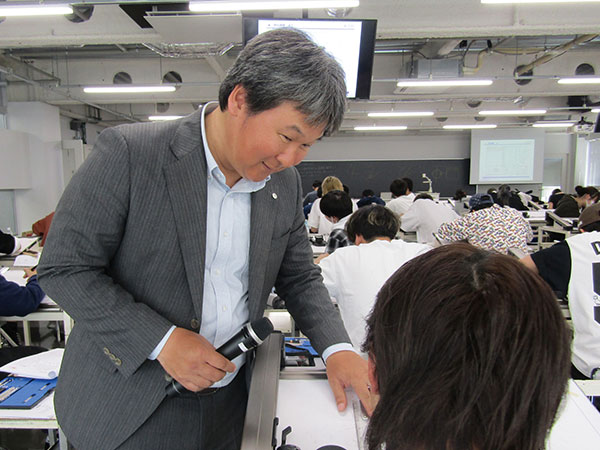
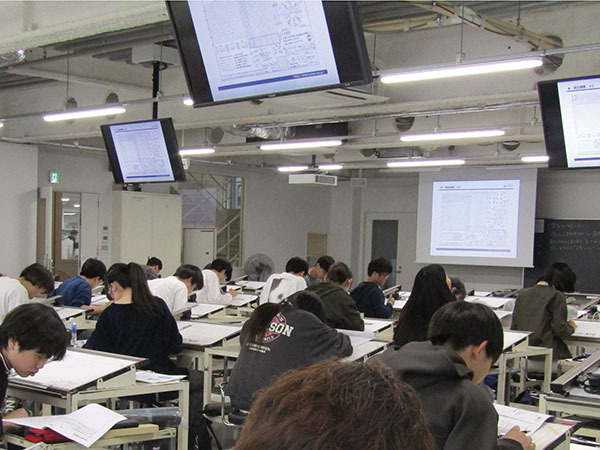
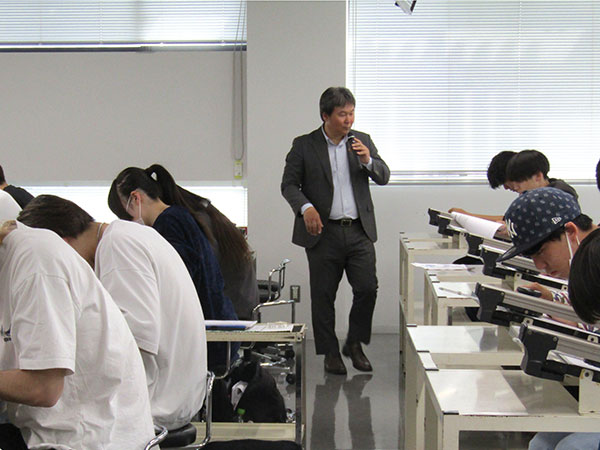
Our training staff give practical lectures at universities as part-time lecturers and seminar lecturers.

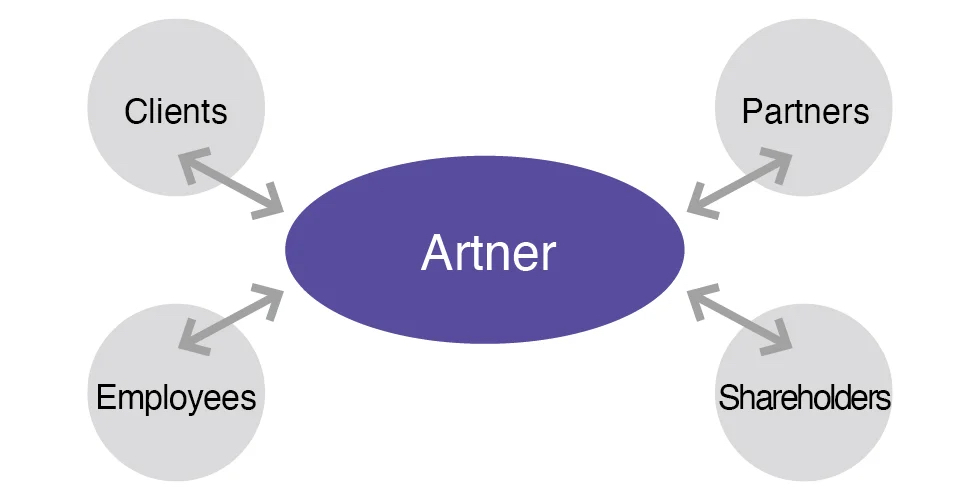
To ensure that our company runs sustainably, it is important that we hold dialogues with stakeholders and integrate their expectations and demands into our business strategy and activities. While creating more opportunities for communication, we will strive to further reflect stakeholder perspectives into our corporate management.
Deepening industry-academia collaboration by combining universities’ advanced technologies and Artner’s practical skills.
Our training staff give practical lectures at universities as part-time lecturers and seminar lecturers.
With the cooperation of companies and universities, we have put together books on the training know-how that we have accumulated, and use the books in our education and training.
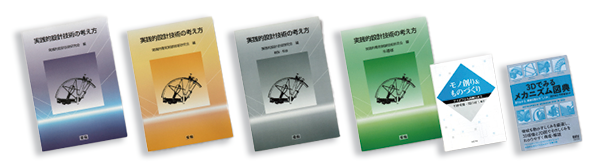
We present papers at affiliated academic societies and organizations. We are deepening our friendship with members of universities.
・Japan Society for Graphic Science
・Japan Society for Design Engineering
・The Japan Society of Mechanical Engineers
・The Institute of Electrical Engineers of Japan, etc.
Our training systems and outputs are made available as papers to educational and business professionals. The papers are used for developing a wide range of human resources.

As a member of the local community, we are involved in community outreach activities such as supporting the education of the next generation of manufacturing professionals and beautifying the environment.
As part of its community service activities, Artner organizes a cleanup of Esaka Park, located near our learning centers in Western Japan, and of Shin-Yokohama Ekimae Park, located near our Tokyo headquarters and learning centers in Eastern Japan, inviting the participation of all of our directors, managers, and employees.
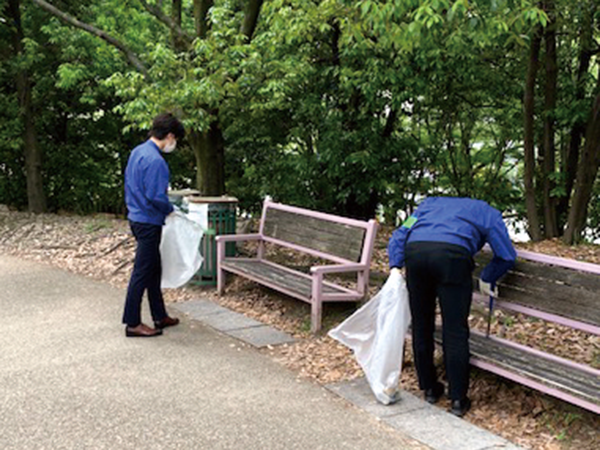
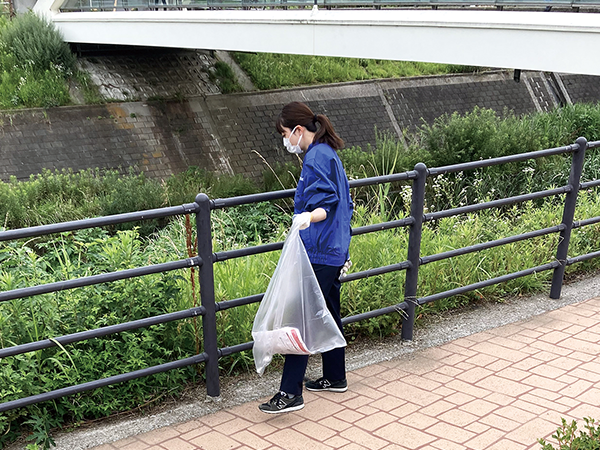
As part of our community service activities, we took part in environmental conservation activities organized by the Futatsuike Park Preservation Society at Futatsuike Park in Tsurumi Ward, Yokohama City. These activities involve the uprooting of Canada goldenrod plants. Root removal is positioned as a measure intended to reduce impacts on natural capital by helping to restore biodiversity and stabilize ecosystems through the regeneration of native vegetation. Under our Basic Sustainability Policy, we are promoting initiatives geared toward biodiversity.


We donate to various organizations to contribute to the achievement of the SDGs.
We provided assistance to the Akai Hane Central Community Chest of Japan, which engages in support and aid activities to address living issues in the community (such as child poverty, social withdrawal (“hikikomori”), and assistance for the elderly and disabled children and adults).
In support of its activities, we make donations to the United Nations World Food Programme (UN WFP), which endeavors to save children in poverty from hunger and help with their sound development through efforts such as food assistance to 83 countries and school lunch assistance to over 30 countries in the world, alongside improving school enrollment rates and expanding educational opportunities.
In April 2025, Artner donated ¥500,000 to WWF Japan, an organization focused on restoring the declining biodiversity and preventing global warming, with the aim of building a future in which people and nature thrive in harmony. Going forward, the Company will continue to pursue the further growth of its businesses, alongside actively supporting international and social causes and the conservation of the natural environment.
As a supporter of the “Plastics Smart” campaign promoted by the Ministry of the Environment of Japan, Artner has registered its initiatives based on the “Artner Plastic Smart Declaration” on the campaign’s official website. With a view to achieving SDG 14, “Life Below Water,” Artner established the “Plastic Smart Declaration,” and promotes conduct mindful of the 3Rs of Reduce, Reuse, and Recycle across the company. We also collect plastic bottle caps at our business locations across Japan to be recycled. Part of the proceeds from the recycled bottle caps are donated to Japan Committee, Vaccines for the World’s Children (JCV), a certified NPO. In turn, these donations are used to provide vaccine assistance in collaboration with UNICEF.


 Cookie Settings